
The children who will attend the school and live in our homes
The school will provide a calm, structured and nurturing environment. Children will always be with trained staff, both inside and outside the building, ensuring their safety and wellbeing at all times. Children with complex needs often respond very positively to routine, reassurance and engaging activities. With the right support they can thrive, learn new skills and enjoy a full and happy school day.
Some of children at Charlton House will have limited or no speech, or poor understanding of the spoken language, and will need pictures and symbols to support their understanding. Some will require resources and play equipment for much younger children (such as bubbles and other sensory resources more often used with babies). The school will need storage for all this equipment and resources.
Due to the complex needs of the children, they will always be with trained staff to supervise them and keep them safe, both onsite, and on the occasions that they leave the Charlton House site. There should be no concerns about anti-social behaviour or public safety, because all activities will be well supervised. Many of our students will have poor social skills, so interaction can be limited, and they are more likely to ignore people they do not know.
Example child profiles
The profiles below give an idea of the type of child who may get a placement at Charlton House, and how the facility and its staff can help them and their families.

Benjamin has severe autism. He can communicate using single words and some Makaton signs and pictures. He loves things that spin and will spend a lot of time spinning objects, laughing and enjoying watching what happens.
He is very hypersensitive to noise and wears ear defenders a lot of the time. He has really good eye-to-hand coordination and can juggle 5 or 6 balls successfully. He has a low cognitive ability that is supported by a very structured learning approach.
He is usually calm and happy, but he can become unsettled and find situations challenging if it is too loud and he becomes frightened and agitated. Familiar adults are able to support him with calming activities. He stays at Charlton House one or two nights a week, as respite for him and his parents, as well as providing a 24-hour learning programme to support his needs. This enables his family to continue to care for him at home the majority of the time, knowing they have some respite each week.

Jasmin is a young person currently placed in a 52-week residential and educational setting, due to significant safeguarding concerns at home. Her care plan is focused on supporting her transition from residential care to independence, ensuring her safety, emotional wellbeing, and developmental progress.
Jasmin presents with challenging behaviours and is at risk of harm and distress. She requires constant 1:1 support to manage these behaviours and prevent misadventure. The placement uses established techniques to help her regulate emotionally, and she is forming trusting relationships with staff.
Maintaining family connections is a priority. Jasmin has regular contact with her parents, siblings, and extended family through calls and visits. These interactions are carefully planned and supported by the placement, contributing positively to her sense of belonging and emotional stability.
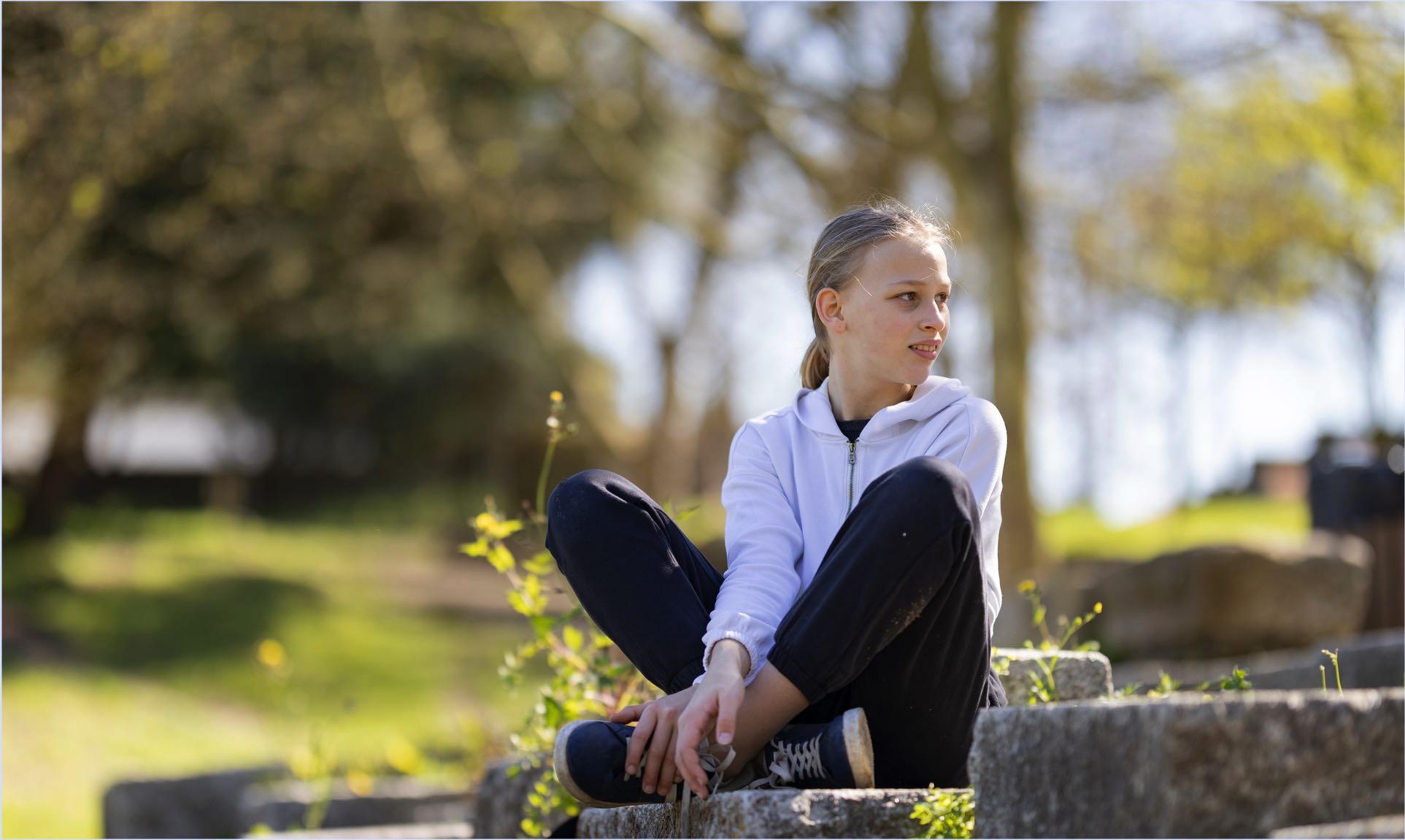
Amelia has autism and challenging behaviour, associated with her level of understanding. She has speech, but it is very repetitive, with many phrases that she has learnt from favourite television programmes.
She has poor understanding of the spoken word, and needs visual clues to understand instructions. She loves computers and will watch a tablet all the time if she is allowed. She can become upset in very busy environments, where she becomes confused and frightened. At these times her behaviour can be very challenging: biting, kicking, screaming. Familiar adults are able to calm her and offer her a safe space.
She is also very active and loves to run, climb and jump. She loves being outside and this is often a calm space for her. The home environment became unsafe for her, so she really benefits from the residential place at the school.
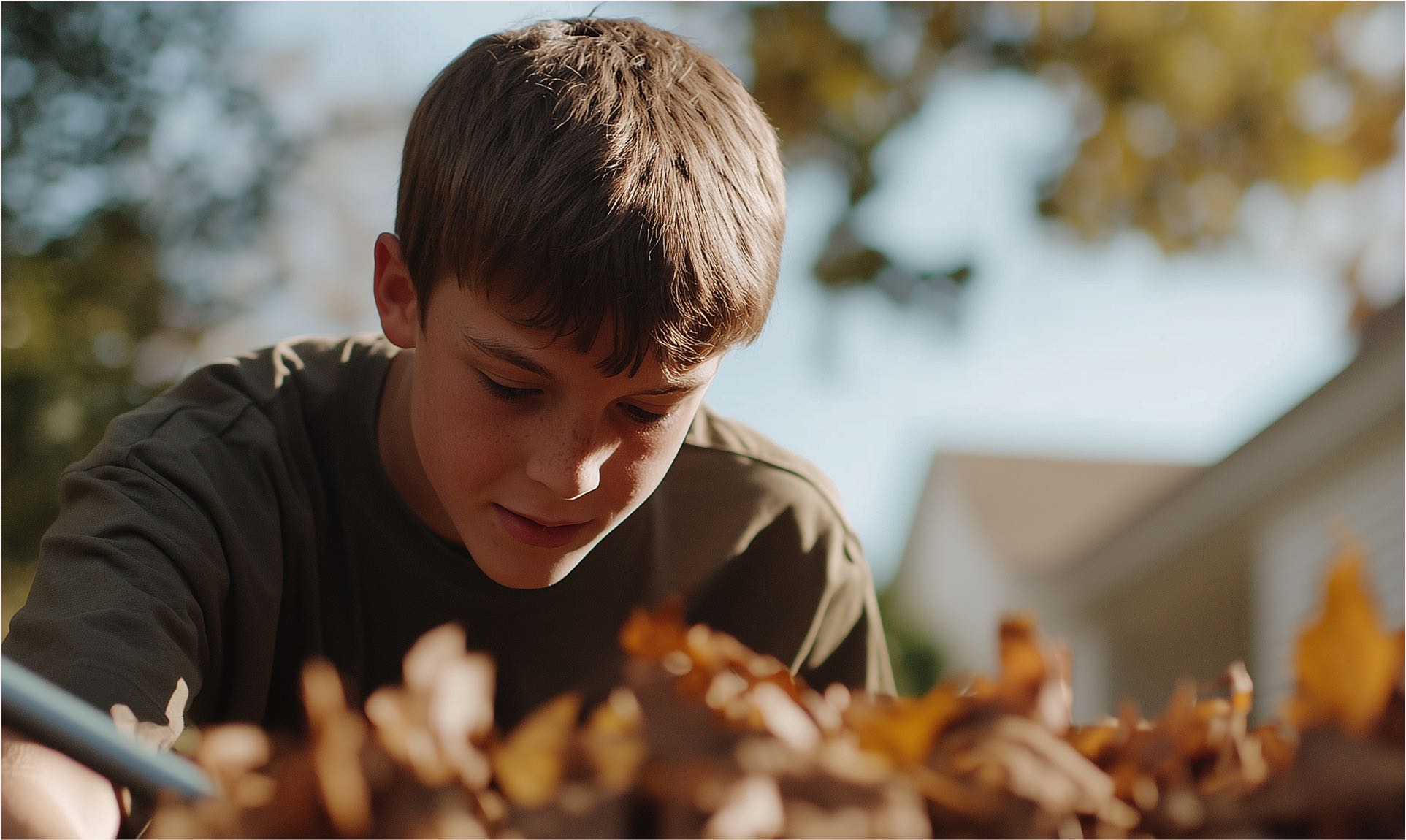
Oliver is day pupil with severe developmental needs and challenging behaviour. He does not have a diagnosis of autism, but has a very low cognitive ability and functions at a level similar to a typical toddler-age child.
He is generally calm and happy, if he can do exactly what he wants. He loves activities which are sensory and messy. He can become violent and aggressive, if he can't do his chosen activity. Trained staff are able to get him to do learning activities by using a now and next board: he understands that first he must do the activity shown (now) and then the chosen motivating activity (next).
He is always happy to come to school, where he feels safe and secure. He is always supervised because of his level of need and total lack of understanding of danger. He loves routine and so his day is kept the same with minimal change. He loves being outside and exploring the sensory environment.